Museu del Batre
Space dedicated to tools and field cereals work cereal with the display of a 1932 threshing machine.
Funicular de Gelida
The project of the Funicular de Gelida was carried out by the engineer Santiago Rubió i Tudurí, and was opened on November 1, 1924. The funicular was intended to improve the connection of the nucleus with the train station. It was mainly used by workers at the paper mills, train passengers and neighbors in the Sant Salvador neighborhood.
HOW IS THE FUNICULAR AND ITS ROUTE?
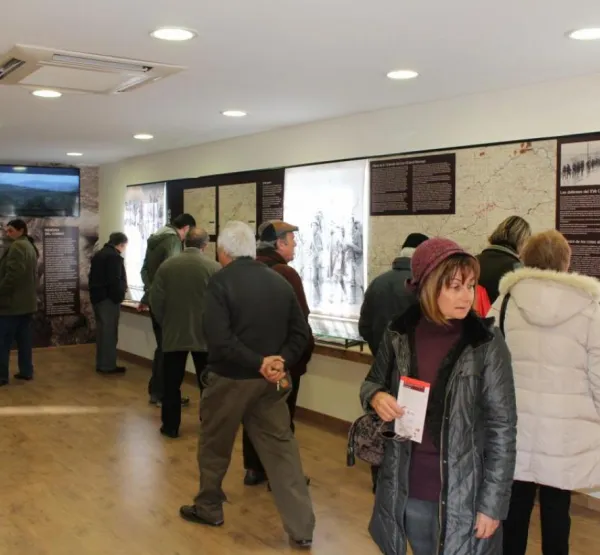
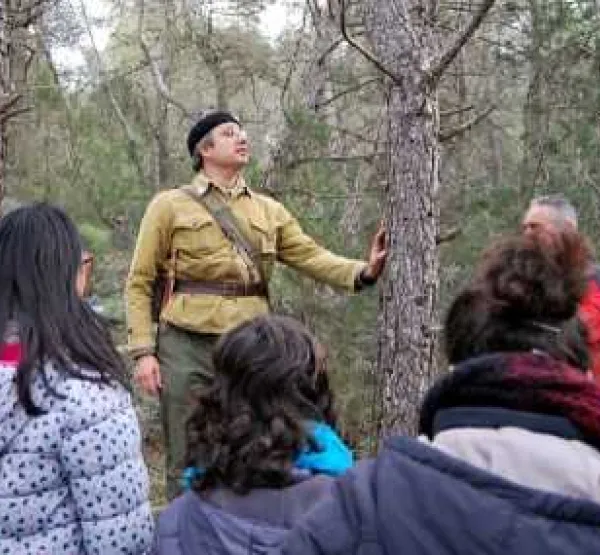
CIUDEB, Interpretation Center of the last defense of Barcelona
The last resistance of the Spain Civil War in Barcelona.
DO Vinífera – Interpretation center of the Iberian archaeological site of La Font de la Canya
Permanent exhibition on the history of the Font de la Canya and the archaeological research of the vineyard and wine. One of the most outstanding exhibitions dedicated to Iberian civilization in Catalonia.
Maricel Museum
Located in the old Sant Joan Hospital building (14th c), between 1910 and 1914 it was reconverted into the residence of American industrialist and collector Charles Deering by artist Miquel Utrillo. It houses the collection of ancient (Romanesque, Gothic, Renaissance and Baroque) and modern (Romanticism, Luminism, Modernism and Noucentisme) sculptures and paintings from Dr. Jesús Pérez Rosales’ and Sitges’s collections.
Cau Ferrat Museum
House-workshop of the painter and writer Santiago Rusiñol (1861-1931) which became a public museum in 1933 due to the artist’s legacy in Sitges.
Maricel Palace
Built by Miquel Utrillo between 1913 and 1918 to house the important art collection belonging to American industrialist and collector Charles Deering, who lived there until 1921, it is the most significant building from the beginnings of Noucentisme in Sitges. In 1935 it was rented by the Catalonian Generalitat as an extension of the Cau Ferrat Museum’s collections and since then it has been dedicated to artistic and cultural activities.
Water Interpretation Centre
In the CDIAT you will take a trip around Torrelavit and its history, the River Path and the paper industry thanks to the 12 mills in the municipality.
Pagination
- Previous page
- Page 22
- Next page